For the better part of three decades, businesses have operated under a simple assumption: if we could collect more data, we'd make better decisions.
That assumption shaped an entire industry.
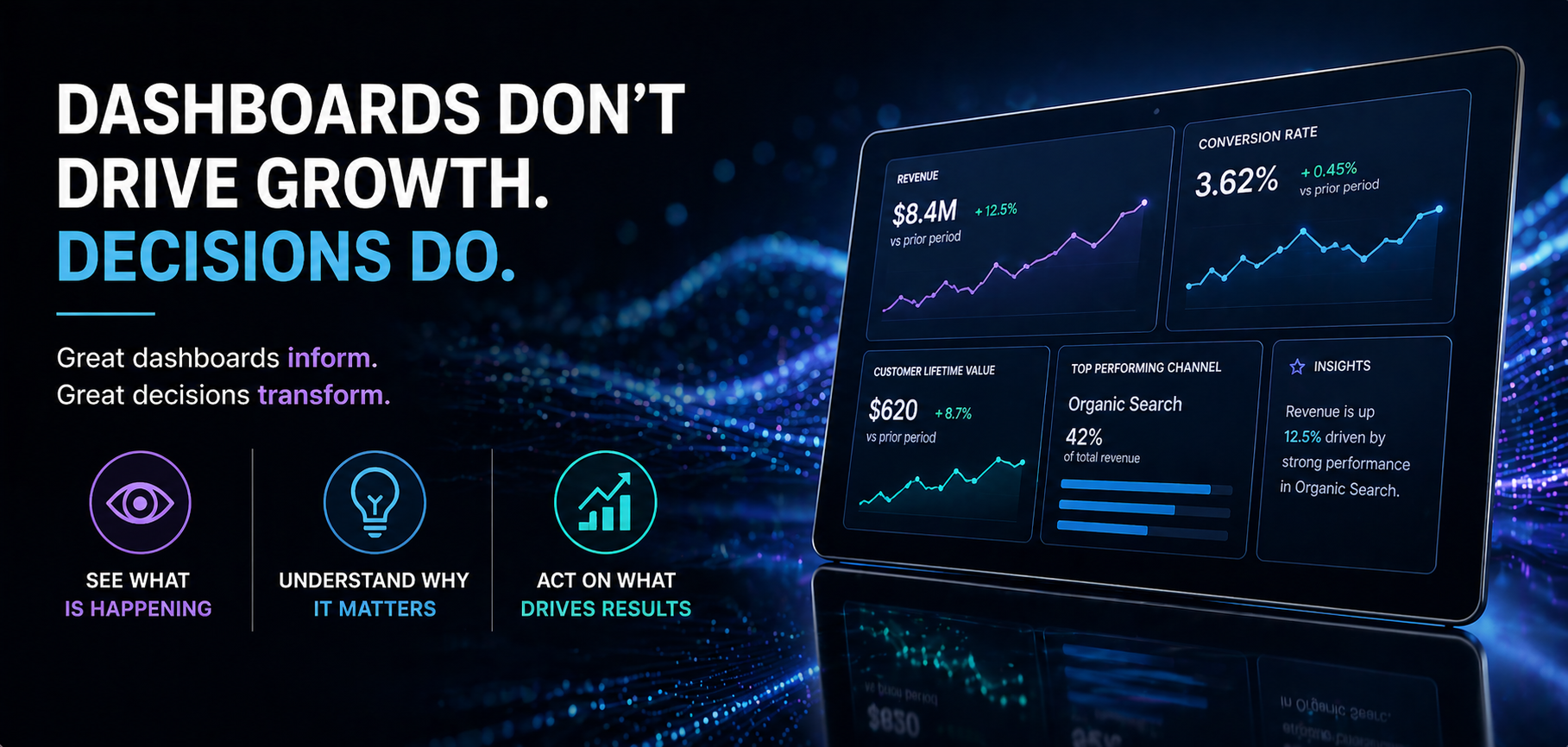
We built CRMs to capture customer interactions. Data warehouses to centralize information. Analytics platforms to measure performance. Dashboards to visualize trends. Every new generation of software promised one thing: more data, collected faster and organized better than before.
It worked.
Today, most organizations have access to more information than any leadership team in history. Marketing teams can see every click. Operations teams can monitor every transaction. Finance teams can forecast in real time. Product teams know which buttons users click and how long they stay on a page.
And yet, many of the most important business questions remain surprisingly difficult to answer.
How is our brand actually being represented in the market?
Where are competitors gaining visibility before we notice it in sales?
How are customers experiencing our products outside of the environments we control?
Which sponsorships are creating meaningful exposure, and which simply look good on a report?
These aren't questions about a lack of data. They're questions about a lack of understanding.
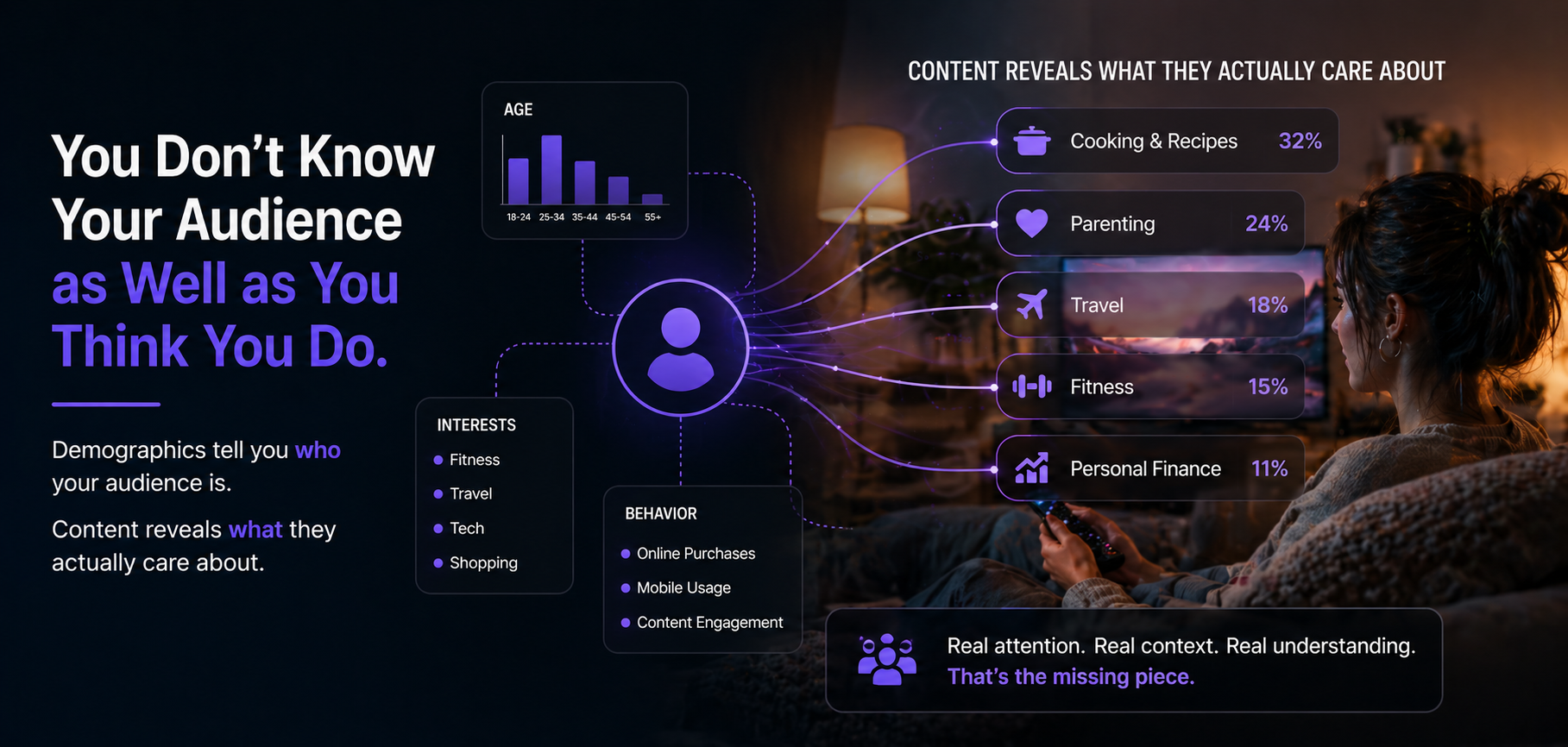
The challenge is that some of the world's richest sources of information have never fit neatly into databases. Video, audio, images, and conversations contain enormous business value, but until recently they required human interpretation. A person had to watch the game, review the commercial, inspect the shelf, or analyze the footage. At enterprise scale, that simply wasn't practical.
Artificial intelligence is changing that equation.
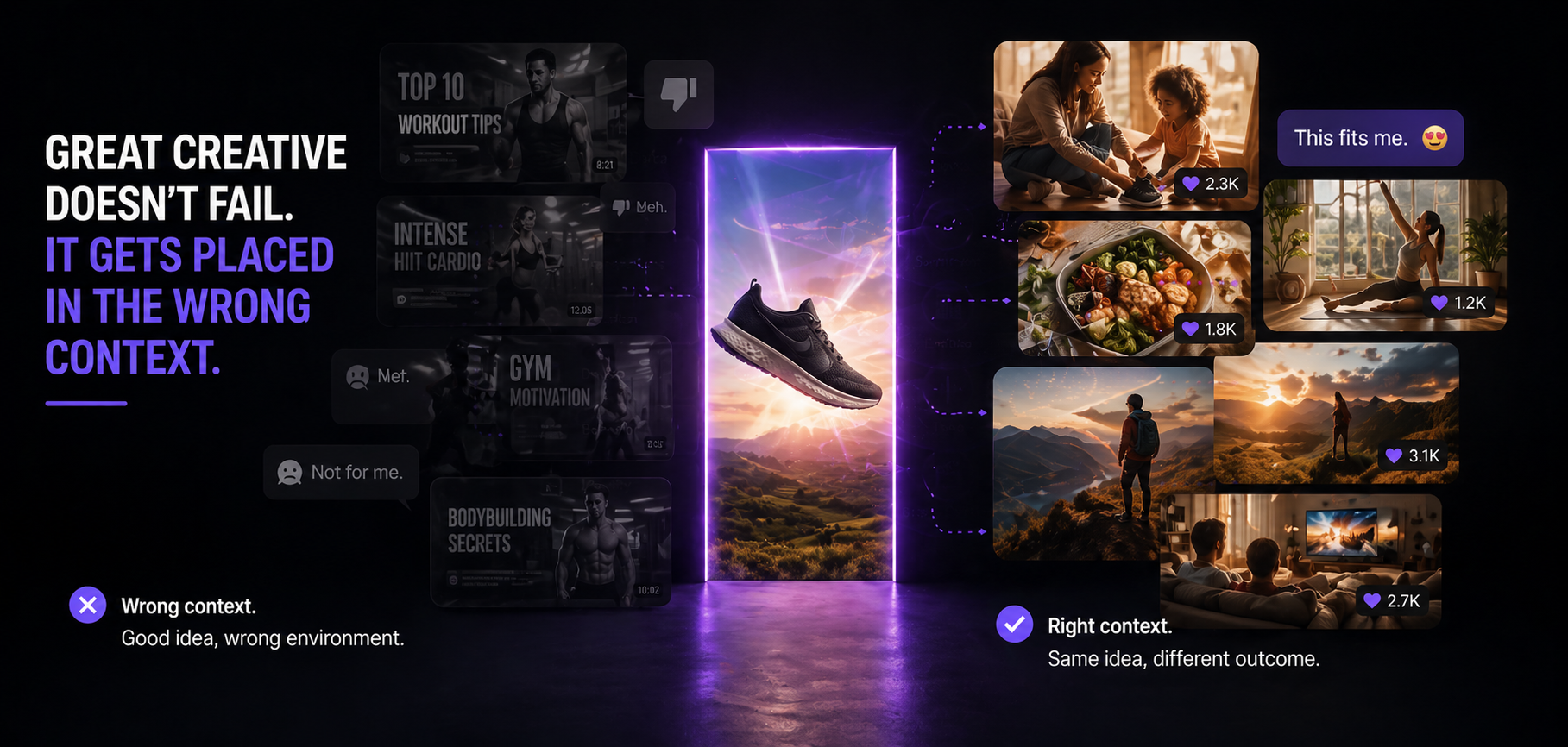
The real breakthrough isn't that AI can generate text or images. It's that AI can now reason over forms of information that were previously inaccessible to software. Instead of treating a video as a file, software can increasingly understand what happened inside it. Which brands appeared. Which products were visible. Which emotions were conveyed. Which competitors shared the same environment. Which moments attracted attention.
That shift has implications far beyond media.
Retailers can understand how products are presented across creator content. Sports organizations can measure sponsorship value with far greater precision. Brands can monitor competitive activity in near real time. Product teams can build entirely new capabilities on top of information that simply didn't exist as structured data before.
This is why we believe the next decade won't be defined by who has the most data. Most organizations already have more than they can reasonably use.
The differentiator will be understanding.
Businesses that can reason over information their competitors cannot will ask better questions, make faster decisions, and create products that deliver insights no one else can provide.
Looking back, the last thirty years were about collecting information.
Looking forward, the next thirty will be about understanding it.
We believe that's where the next generation of enterprise software will be built.